How to Understand Jewelry Repair and Warranty Policies
Last Updated: October 27, 2026
Quick Summary
A jewelry repair and warranty policy is a written promise from the seller or maker to fix specific problems, usually manufacturing defects, within a set period. Most policies require an inspection to confirm the defect came from the maker, and common exclusions include normal wear and tear, accidental damage, and work done by a third-party jeweler.
- A lifetime warranty usually means defect coverage, with damage billed to you.
- Get repair authorization in writing, including scope, cost, and estimated timeline.
- A repair costing more than half the piece’s value often signals replacement or trade-in instead.
- Sending jewelry uninsured or without tracking can void your claim if it disappears.
- Before buying, ask what the warranty covers, how long it lasts, and how claims are handled.
Table of Contents
- Jewelry Warranty Coverage: What Most Policies Actually Include
- Jewelry Repair Warranty Exclusions You Need to Know
- How to File a Jewelry Warranty Claim Step by Step
- Jewelry Repair Turnaround Time and What to Expect
- Repair or Replacement: How the Decision Gets Made
- Shipping, Chain of Custody, and Repair Risks
- What to Do When a Claim Is Denied or a Repair Goes Wrong
- Checking Amoré Lux Repair and Warranty Support Before You Buy
- Frequently Asked Questions
Jewelry Warranty Coverage: What Most Policies Actually Include
Jewelry repair and warranty policies explained in plain terms come down to one question: who pays when something goes wrong? A warranty is a written promise from the seller or maker to fix specific problems within a set period.
Manufacturing Defects and Material-Quality Issues
The tricky part is proof. Most policies require an inspection to confirm the defect came from the maker. That inspection is where many claims live or die.
Stone, Setting, Clasp, and Component Problems
For everyday pieces, prevention matters as much as coverage. Our guide on how to clean lab grown diamond jewelry walks through the care steps that keep settings tight and stones secure between inspections.
Jewelry Repair Warranty Exclusions You Need to Know
Common exclusions include:
- Normal wear and tear over time
- Accidental damage like drops, dents, or crashes
- Damage from harsh chemicals or improper cleaning
- Work done by a third-party jeweler
- Lost stones after the warranty period ends
Normal Wear and Tear vs. Accidental Damage
Watch out: assuming “lifetime warranty” means “we fix anything forever” is the single most common misunderstanding we see. It usually means defect coverage, with damage billed to you.
Most policies exclude the same handful of situations, so check for these before you assume you are covered.
| Exclusion | What it covers |
|---|---|
| Normal wear and tear | Deterioration over time |
| Accidental damage | Drops, dents, or crashes |
| Harsh chemicals | Damage from chemicals or improper cleaning |
| Third-party work | Repairs by another jeweler |
| Lost stones | Stones lost after the warranty period ends |
How to File a Jewelry Warranty Claim Step by Step
- Get repair authorization in writing. Approve the repair or replacement in writing, including the scope of work, cost (if any), and estimated timeline. Do not authorize verbal work.
Documenting Condition and Proving a Defect
The Consumer Financial Protection Bureau offers broader guidance on protecting your purchase records, which applies to high-value jewelry too. For warranty-specific rights, the Federal Trade Commission explains how written warranties must be disclosed and what deceptive practices to watch for.
Jewelry Repair Turnaround Time and What to Expect
If you are comparing a repair against a replacement, factor in the total cost: repair charge, shipping both ways, insurance, and your time without the piece. A repair that costs more than half the piece’s value is often a signal to ask about replacement or trade-in instead.
Repair or Replacement: How the Decision Gets Made
Ask these questions before you agree:
- Is the repair guaranteed, and for how long?
- Will the replacement be identical, or a similar model?
- Who covers return shipping either way?
If you’re weighing a fresh purchase instead, our look at which ethical jewelry brands are best for everyday wear covers durable options built for daily use.
Shipping, Chain of Custody, and Repair Risks
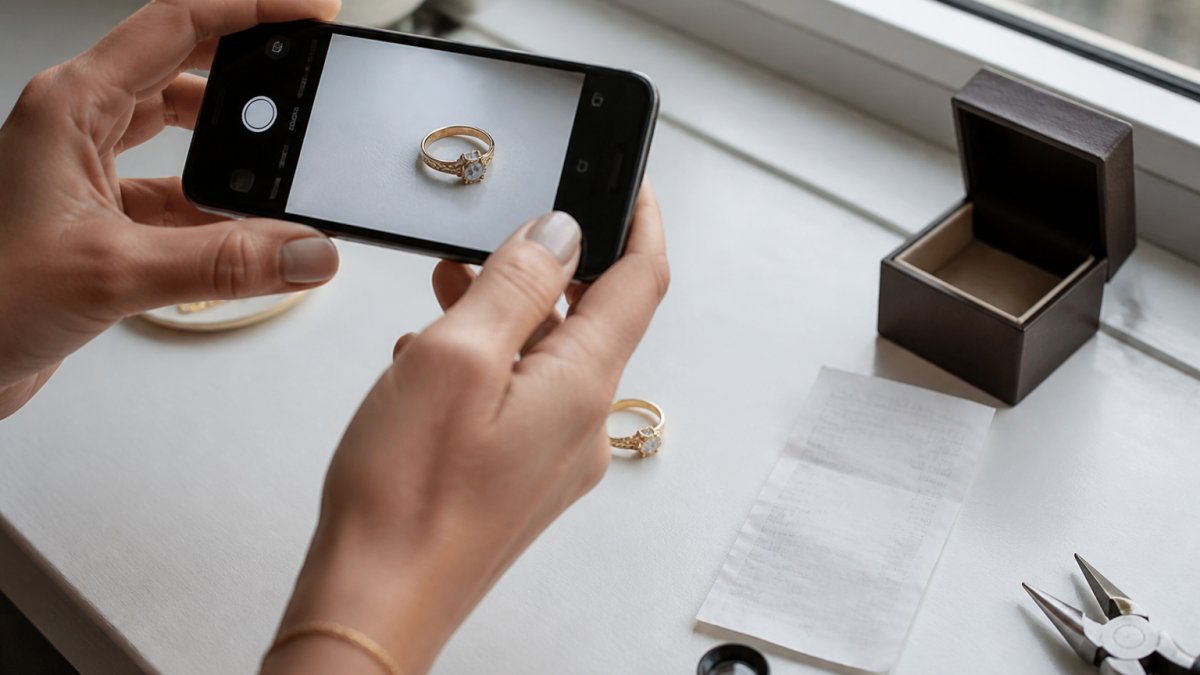
Watch out: sending jewelry uninsured or without tracking can void your claim if it disappears in transit. Follow the seller’s exact shipping instructions, and photograph the packaged box before you hand it over.
What to Do When a Claim Is Denied or a Repair Goes Wrong
The Federal Trade Commission explains your rights around warranties and deceptive practices, which is worth knowing before a dispute escalates. You can also read about the benefits of buying jewelry from independent designers.
Checking Amoré Lux Repair and Warranty Support Before You Buy
Before any purchase, ask three things: what the warranty covers, how long it lasts, and how claims are handled. At Amoré Lux, we believe post-purchase support should be as considered as the design itself.
You can browse our fine jewelry collection.
Frequently Asked Questions
What does a jewelry warranty typically cover?
Most jewelry warranties cover manufacturing defects and material-quality issues: a prong that was never properly seated, a clasp that fails under normal use, or a setting that lets a stone come loose without impact. Many policies also include routine maintenance such as cleaning and inspection during the warranty period. They generally do not cover accidental damage, loss, or theft. Read the warranty terms at purchase and keep your receipt, since proof of purchase and purchase date usually decide eligibility.
What jewelry damage is usually excluded from a warranty?
Standard jewelry repair warranty exclusions include normal wear and tear, accidental damage such as a bent band or chipped stone, loss or theft, and damage from harsh chemicals or improper storage. Work done by an outside jeweler often voids coverage too. Some policies also exclude resizing after a set window. If you are unsure whether your issue qualifies, submit photos and your receipt before shipping anything, so the damage assessment happens while the piece is still in your hands.
How long does a jewelry repair usually take?
Jewelry repair turnaround time depends on the fix. A simple prong retipping or clasp replacement can take one to two weeks. Stone replacement, resizing, or a full setting rebuild often runs three to six weeks, especially if the piece must go back to the original maker. Ask for a written estimate with an expected completion date, and confirm who pays shipping costs both ways. Busy seasons like engagement season add delays, so build in a buffer if the piece is needed for a specific date.
What is the difference between a jewelry warranty and jewelry insurance?
A jewelry warranty is a service promise from the seller covering defects and workmanship for a set period. Jewelry insurance is a separate policy that covers loss, theft, and accidental damage, usually with a deductible and coverage limits set by appraisal. A warranty claim goes through the brand or retailer; an insurance claim goes through your insurer. For a piece worn daily, the two work together: the warranty handles workmanship, and insurance handles the events a warranty excludes.
Buying fine jewelry should feel confident, not confusing. If unclear warranty terms are holding you back, Amoré Lux makes the process transparent, with thoughtfully crafted pieces, clear post-purchase support, and a focus on jewelry built to last. Get started with Amoré Lux and choose a piece you understand, inside and out.