Is There a Zales Alternative for High-End Jewelry?
Last Updated: November 5, 2026
Quick Summary
A Zales alternative for high end jewelry is a brand built on certified stones, solid 14K or 18K gold or platinum, disclosed sourcing, and written aftercare terms. Brands worth comparing include Amoré Lux, Rare Carat, Parken Jewelry, Mejuri, Aurate, and Quince. Compare stone and setting prices separately, request the certification report number, and get warranty and resizing terms in writing.
- High-end jewelry requires certified stones, solid precious metals, disclosed sourcing, and written aftercare terms.
- Amoré Lux is best for shoppers who want meaningful jewelry with a story behind the design.
- Rare Carat suits engagement-ring shoppers comparing certified diamonds at scale.
- Ask for metal weight in grams, since two 14K gold solitaires can differ by a gram or more.
- Under $2,000, prioritize certification and metal purity over carat weight.
Table of Contents
- Why Shoppers Look Beyond Zales for High-End Jewelry
- What High-End Jewelry Actually Means
- High-End Jewelry Brands Worth Comparing
- Fine Jewelry Quality and Craftsmanship: What to Inspect
- Ethical Jewelry Brands and Sourcing Standards
- Online Fine Jewelry Stores vs. Mall Retailers
- Comparing Prices and Aftercare Like for Like
- Matching a Zales Alternative to Your Budget and Category
- Frequently Asked Questions
Why Shoppers Look Beyond Zales for High-End Jewelry
The search for a Zales alternative for high end jewelry usually starts with quiet frustration: the mall store has name recognition, but the case doesn’t hold what you want.
A Zales alternative for high end jewelry must clear a higher bar on three fronts: diamond certification, metal quality, and aftercare. Below, we break down what high-end means, which brands are worth your time, and how to compare them.
What High-End Jewelry Actually Means
High-end jewelry is fine jewelry built around certified stones, precious metals, and traceable craftsmanship, sold with transparent policies on returns, repairs, and resizing. The label is not about price alone. A high-end piece earns the name through documented quality at every step.
That definition matters because “high end” gets thrown around loosely. A retailer selling gold-plated brass at a premium markup is not high end, no matter the packaging. Real high-end jewelry brands share a few markers:
- Certified diamonds graded by an independent lab, with the report number on the piece
- Solid precious metals (14K or 18K gold, platinum) rather than plating over base metal
- Disclosed sourcing for stones and metals
If a retailer can’t answer basic questions about any of these, it isn’t competing in the high-end category, whatever the display case suggests. The Federal Trade Commission’s jewelry guides set the baseline for how diamonds and metals must be described, and a serious brand will meet or exceed those standards.
High-End Jewelry Brands Worth Comparing
The brands below are the ones we’d actually put in front of a shopper leaving the mall. Each occupies a different niche, so read the whole list before deciding.
Amoré Lux
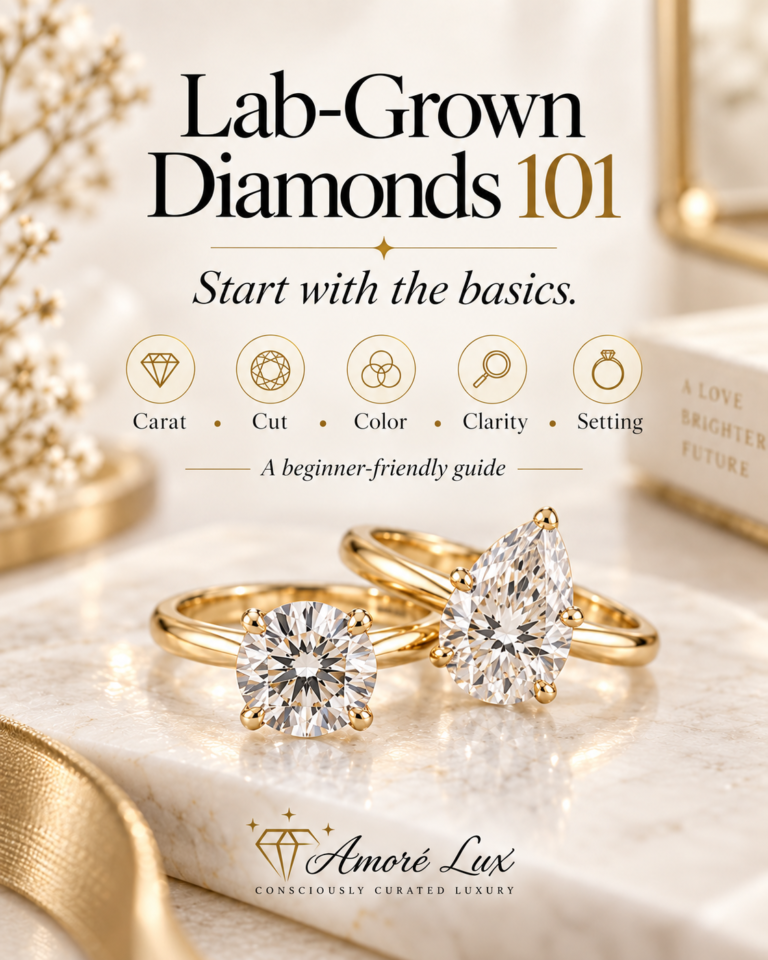
Our own house is the first name here, and we’ll be direct about why. Amoré Lux is a curated fine jewelry brand founded by Abbey and Maria, combining deep expertise in design and innovation with a commitment to meaningful, intentional craftsmanship, designed to celebrate love, light, and individual expression.
Best for: Shoppers who want meaningful jewelry with a story behind the design.
EXTERNAL_LINK: Shop lab-grown diamond engagement rings, wedding bands and fine jewelry at Amoré Lux
Rare Carat
Best for: Engagement-ring shoppers comparing certified diamonds at scale.
Parken Jewelry
Details on materials and policies aren’t well documented, so ask directly before ordering.
Best for: Shoppers seeking handmade, minimalist gemstone pieces.
Mejuri, Aurate, and Quince
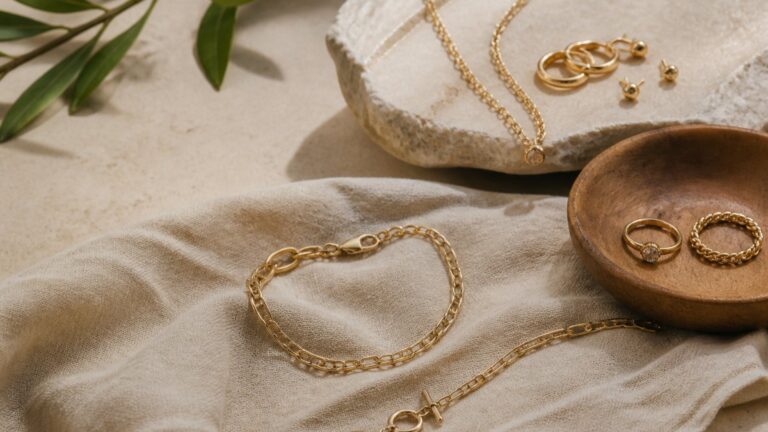
These three sit in the “affordable luxury” tier of online fine jewelry stores, worth knowing for everyday pieces rather than statement bridal work.
Best for: Everyday fine jewelry and gifts in the affordable luxury range.
| Brand | Category Strength | Certification Focus | Best For |
|---|---|---|---|
| Amoré Lux | Lab-grown bridal and everyday fine jewelry | Certified lab-grown diamonds | Meaningful pieces with design intent |
| Rare Carat | Engagement-ring marketplace | GIA-certified diamonds | Maximum stone selection |
| Parken Jewelry | Handmade minimalist gemstone | Not stated in sources | Unique, less conventional designs |
| Mejuri / Aurate | Everyday fine jewelry | Varies by piece | Solid-gold daily wear |
| Quince | Affordable luxury | Varies by piece | Real-gold pieces at lower cost |
Fine Jewelry Quality and Craftsmanship: What to Inspect
Craftsmanship is where a Zales alternative for high end jewelry either earns your money or doesn’t.
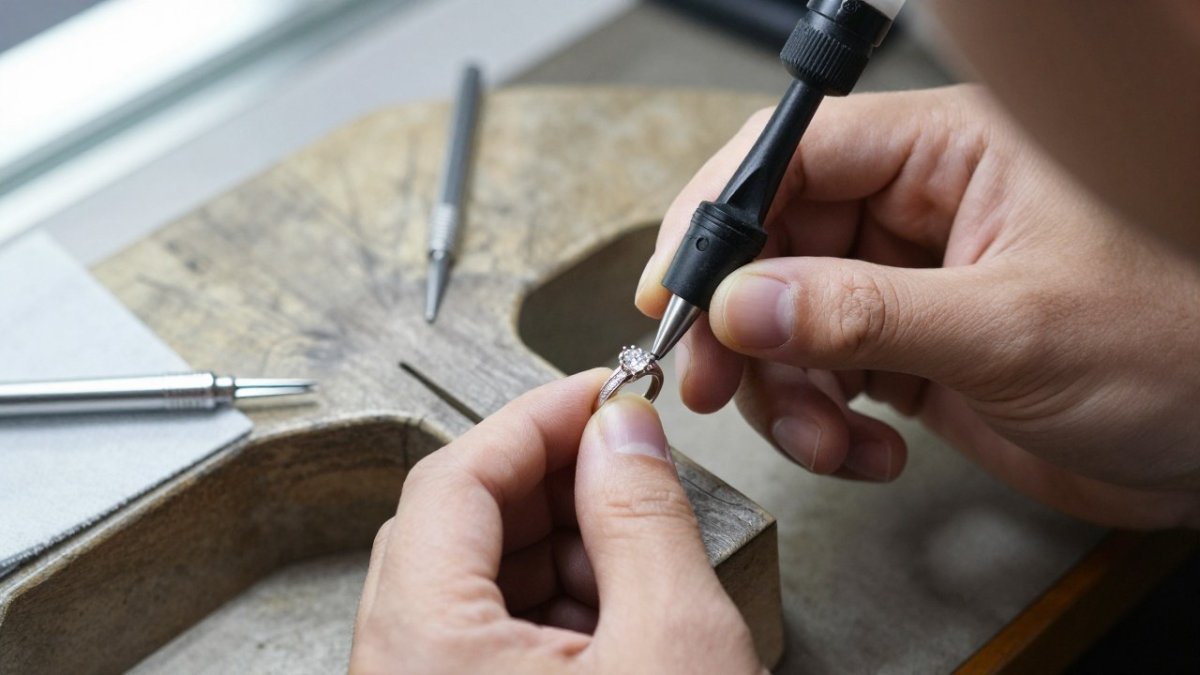
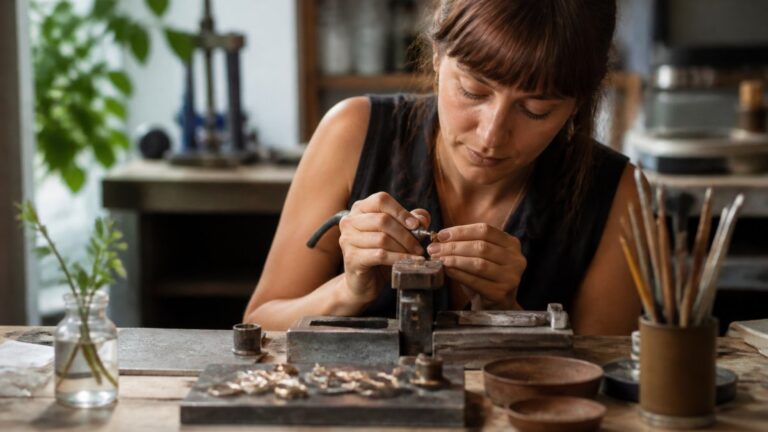
Start with the setting. Prongs should be even, symmetrical, and thick enough to hold the stone without snagging.
Next, check the metal. Solid 14K or 18K gold and platinum are the high-end standards.
Then look at the finish. A well-made piece has smooth interior surfaces, secure clasps on necklaces and tennis bracelets, and consistent polishing.
If you’re weighing lab-grown stones for daily wear, our guide on how to wear lab grown diamonds daily without damage covers the practical care side in more depth.
Ethical Jewelry Brands and Sourcing Standards
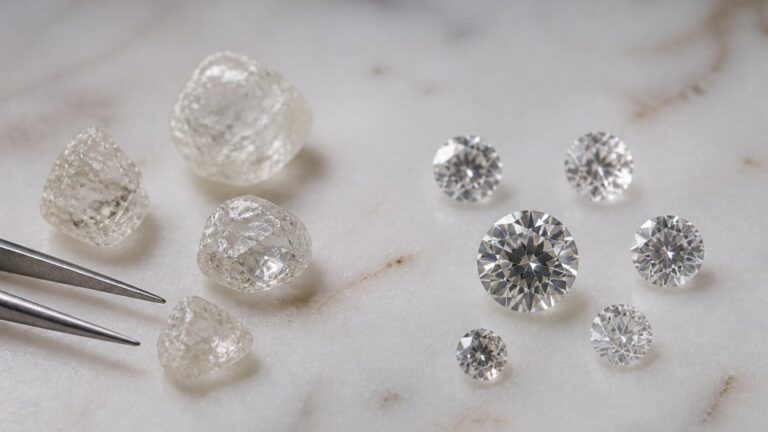
Sourcing separates a high-end brand from a mall retailer with good lighting. Lab-grown diamonds make this easier to answer because their origin is documented by how they’re produced; mined stones require a chain-of-custody trail not every retailer can produce.
When you evaluate ethical jewelry brands, ask three questions:
- Where was the stone grown or mined, and can the brand document it?
- Are the metals recycled or newly mined, and is that disclosed?
- Does the brand publish a sourcing policy, or only talk about it in marketing?
A brand that can answer all three in writing is doing the work. The Kimberley Process Certification Scheme exists to curb conflict diamonds, and any serious retailer should be able to explain how it applies to their supply.
For readers who want to go deeper on this front, our guide to buying ethically sourced diamond jewelry online walks through the verification steps, and our breakdown of which ethical jewelry brands are best for everyday wear helps match sourcing standards to daily-use pieces.
Online Fine Jewelry Stores vs. Mall Retailers
Online fine jewelry stores now compete directly with mall retailers on selection, price transparency, and certification.
The mall’s weakness is pricing opacity. Mall jewelers frequently run “sales” that reset constantly, making it nearly impossible to know what a piece actually costs, while online brands tend to publish one price per piece.
Service is the other variable. A mall store gives you a person to walk into. An online store gives you a policy.
Comparing Prices and Aftercare Like for Like
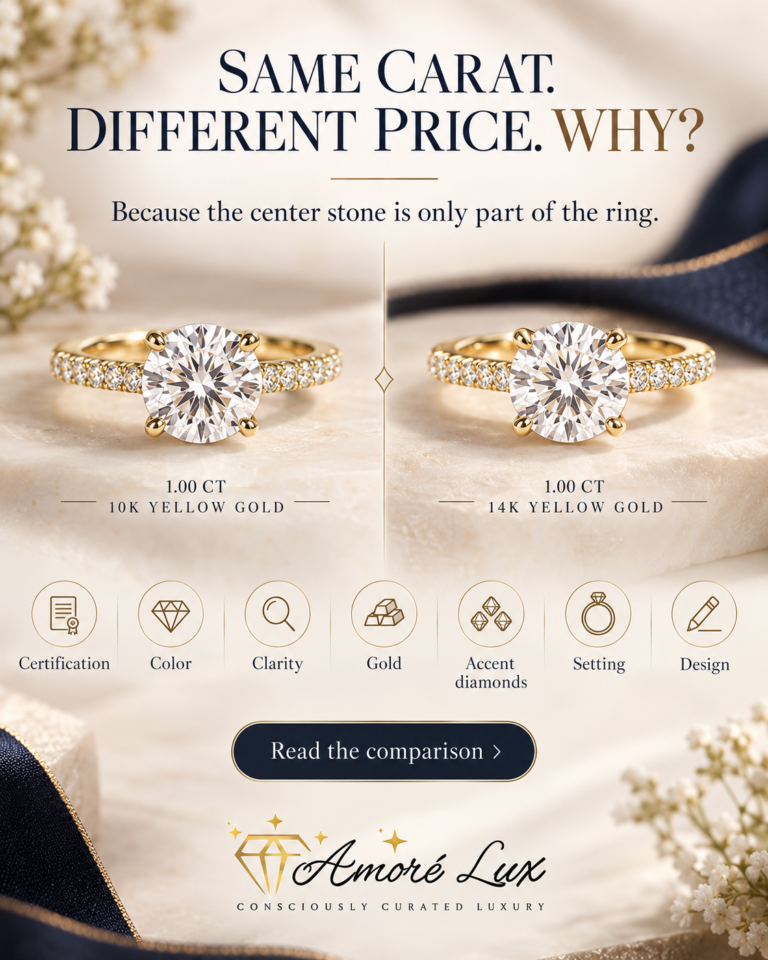
Price comparisons only work when the pieces match. Match carat weight, cut grade, metal type, and setting style, then compare certification and aftercare on top.
Here is a concrete like-for-like framework you can apply to any two retailers. Pick a single reference piece, such as a 1.00-carat round lab-grown diamond, G color, VS2 clarity, excellent cut, set in a 14K white gold four-prong solitaire. Then request the following from each brand:
- Stone price separately from setting price. Many online retailers list the diamond and setting as separate line items, which makes comparison possible. Mall jewelers often quote a single bundled price, which hides the stone’s true cost.
- Certification lab and report number. A GIA or IGI report number lets you verify the stone’s grading independently. If a brand cannot provide a report number before purchase, treat the certification claim as unverified.
- Metal weight in grams. Two 14K gold solitaires can differ by a gram or more of gold, which affects both durability and resale value. Ask for the gram weight, not just the karat.
Online fine jewelry retailers often publish one bundled price per piece, while marketplace models show stone and setting as separate line items, making like-for-like comparison easier.
Aftercare is where the real cost of ownership hides. Over a decade, resizing, rhodium plating, prong tightening, and insurance documentation add meaningful cost. Ask every brand these questions before you buy, and get the answers in writing:
- Is there a written warranty, and what does it cover? Ask specifically whether it covers stone loss, accidental damage, and normal wear.
- Is the first resizing free, and what is the cost after that? A common pattern is one free resizing within the first year, with subsequent resizings charged per size.
- Who pays shipping for repairs, and what is the turnaround time? Ask whether the brand provides a prepaid shipping label and whether turnaround is measured in days or weeks.
A brand that answers all six questions clearly is worth your money. One that cannot is asking you to take on risk you did not agree to. The Jewelers Vigilance Committee publishes guidance on consumer protections in jewelry sales that is worth reading before a significant purchase, and the Federal Trade Commission’s jewelry guides set the baseline for how warranties and repairs should be disclosed.
Matching a Zales Alternative to Your Budget and Category
The right Zales alternative for high end jewelry depends on what you’re buying and how much you plan to spend. A certified lab-grown engagement ring, everyday studs, and a tennis bracelet each point to a different brand and budget band.
Use this framework, organized by category and budget band. Pricing depends on quantity, dates, and delivery. For current prices, visit the Amoré Lux website or request a quote.
Engagement rings and wedding bands
- Under $2,000: Prioritize certification and metal purity over carat weight. A smaller certified lab-grown stone in solid 14K gold beats a larger uncertified stone in plated metal. Look for published GIA or IGI report numbers and a written resize policy.
- $2,000 to $5,000: The core lab-grown bridal band. Prioritize cut grade over color and clarity, since cut drives sparkle. Ask for the setting’s gram weight and prong thickness, and confirm trade-in credit toward a larger stone later.
- $5,000 and up: Prioritize documented sourcing and aftercare alongside the stone. Ask for the mine or grower of origin, recycled content if claimed, and a written warranty covering stone loss. A brand that cannot document sourcing at this price is not competing in the high-end category.
Everyday fine jewelry
- Under $500: Prioritize solid gold over plating. A 14K solid gold chain or stacking ring will outlast a gold-plated piece at the same price. Ask for the gram weight, since two chains at the same price can differ significantly in gold content.
- $500 to $1,500: Prioritize clasp and setting security for daily wear. Ask whether the clasp is lobster, box, or spring ring, and whether the brand replaces a failed clasp under warranty.
Statement pieces and gifts
- Under $1,000: Prioritize design and sourcing story. , and smaller handmade brands often compete here on design rather than volume.
- $1,000 and up: Prioritize certification for any diamond content and written aftercare terms for gemstone pieces. Ask whether the brand provides an appraisal for insurance.
Bridal jewelry sets
- Any budget: Prioritize aftercare terms over the initial price. A set with free resizing, prong tightening, and a trade-in credit is worth more over a decade than one that costs less upfront but charges for every service.
If you’re working within a defined budget, our roundup of affordable luxury jewelry brands can help you match a price category without dropping into plated metals. For bridal shoppers comparing certified stones at scale, our guide to buying ethically sourced diamond jewelry online walks through the verification steps that matter most in the $2,000 to $5,000 band.
Frequently Asked Questions
Is Zales considered high end?
Zales is generally positioned as a mainstream mall jeweler rather than a high-end house. Its assortment leans toward accessible price points and promotional pricing, with a mix of diamond and gemstone pieces. Shoppers looking for a Zales alternative for high-end jewelry often want stricter diamond grading, solid gold rather than gold plating, and clearer sourcing information. If those details matter to you, compare certification, metal purity, and return policies before deciding.
What should I compare when choosing a Zales alternative?
Start with four things: diamond certification (GIA is the benchmark for natural stones), metal type (solid 14K or 18K gold versus gold plating or sterling silver), the return and resizing policy, and whether the brand publishes sourcing details. A Zales alternative for high-end jewelry should also state its warranty and repair terms in writing. Ask for the grading report number and confirm it on the lab’s website before you buy.
Are online fine jewelry stores a good alternative to Zales?
They can be, especially for engagement rings and certified diamonds. Online fine jewelry stores often show full grading reports and larger inventories than a single store can stock. The trade-off is that you cannot try pieces on first, so check the return window carefully and confirm whether resizing is free.
How can I verify the quality and sourcing of fine jewelry?
Request the diamond grading report and match its number against the issuing lab’s database. For metals, look for a stamp indicating 14K or 18K solid gold rather than gold plating. For sourcing, check whether the brand describes its supply chain or states that stones are lab-grown. Ethical jewelry brands typically publish this information on their site. If a retailer will not share certification or sourcing details, treat that as a signal to keep looking.
The real challenge isn’t finding a store that sells jewelry. It’s finding one that can prove what’s in the piece, explain where it came from, and stand behind it after the sale. Amoré Lux was built for exactly that shopper: certified lab-grown diamonds, solid precious metals, and intentional design from a brand founded by Abbey and Maria. Browse the collection to compare styles, or reach out to our team with questions about a specific piece before you decide.